Paying for the Tube, buses and trains in London is easier than it looks, once you know how it works.
You do not need to buy a ticket for every journey. You tap a card on the yellow reader when you go in, tap again when you come out, and the system works out the fare and stops charging you once you hit a daily limit. The only real question is which card to tap: an Oyster card or your own bank card or phone. Here is how both work, what they cost in 2026, and which one makes sense for you.
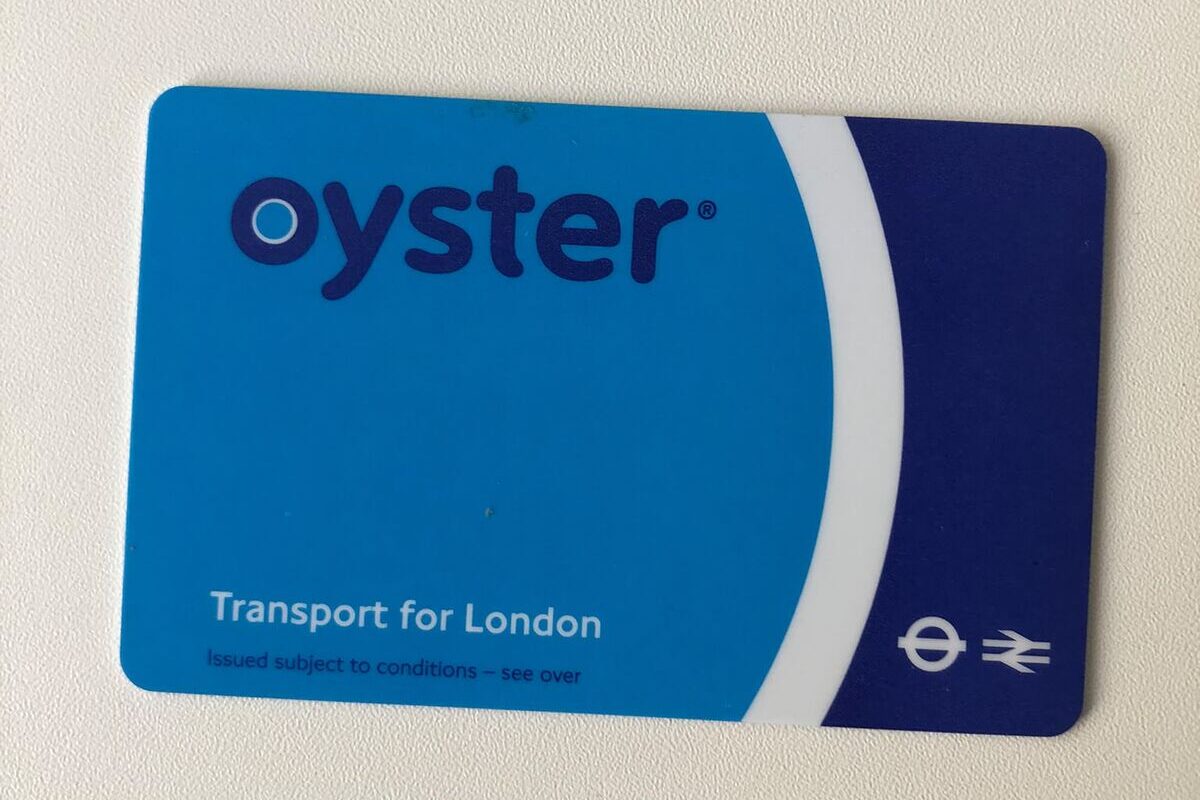
- Visiting for a few days? Just use a contactless bank card or your phone. Same fares and same daily caps as Oyster, and no card to buy
- Get an Oyster if your bank charges fees on payments in pounds, if you want a fixed budget, or if you have a Railcard to add
- A new Oyster card costs £10.50, and you do not get it back
- Always tap in and tap out on the Tube and trains; on buses you only tap in
- One card per person: you cannot pay for two people with the same card
Oyster or Contactless: Which One?
Both are "pay as you go": you pay for each journey, and the system stops charging you once you reach the daily cap. The fares are exactly the same. The difference is how you pay and what you can see.
| Oyster card | Contactless card or phone | |
|---|---|---|
| Cost of the card | £10.50, not refundable | Nothing: you use your own card |
| Fares and caps | Same | Same |
| How you pay | You top up credit in advance | Charged to your bank account |
| Keeping track | You see the balance at every gate | You check your statement or the TfL website |
| Railcard discounts | Yes, can be added | No |
| Bank fees | Only when you top up | Depends on your bank |
💳 Why I still use Oyster
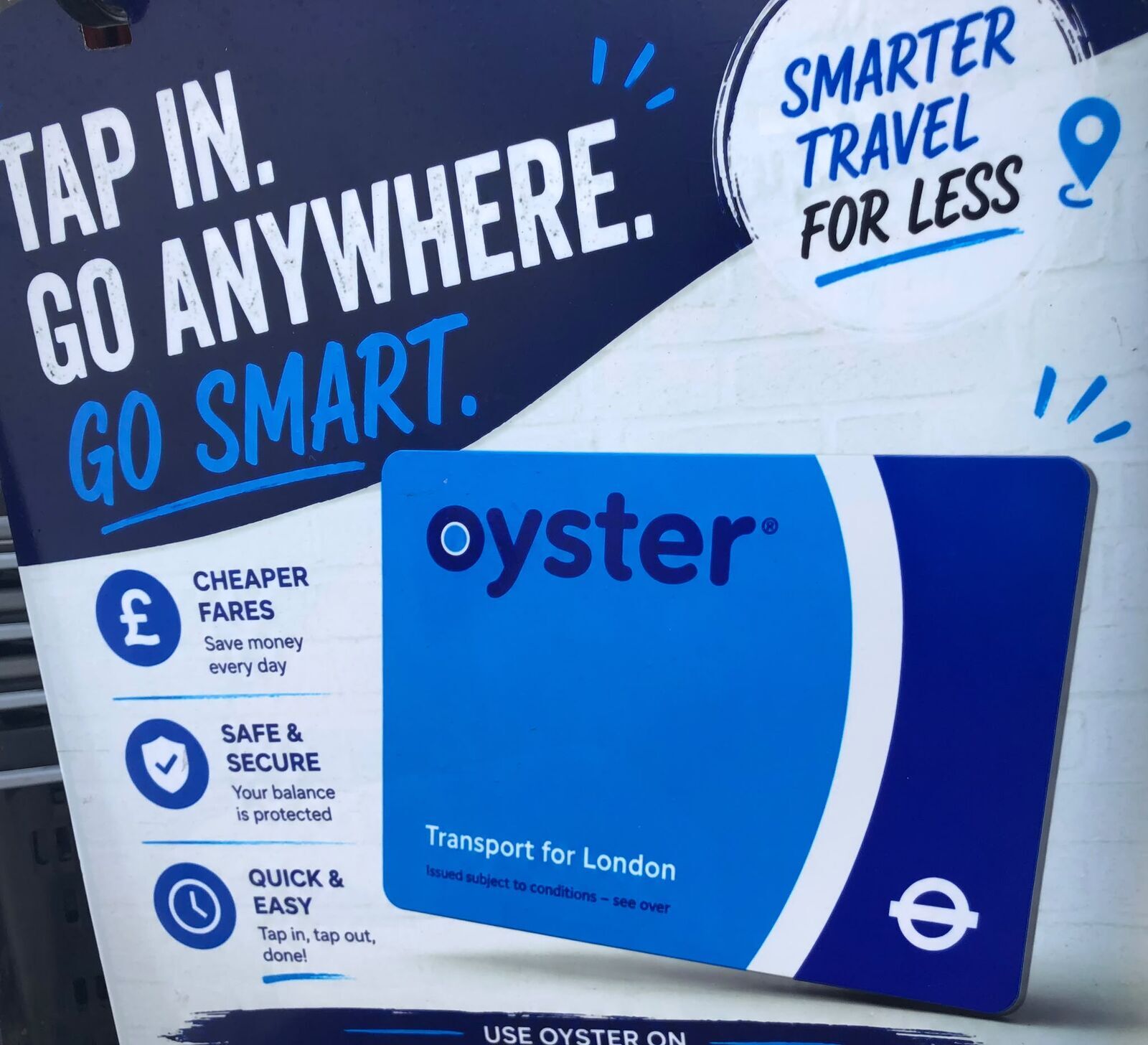
To be honest, when I arrived in London I started paying with an Oyster card, it became a habit and I never gave it up. I top it up when I need to, and I like it because I know exactly how much I am spending day by day: the balance shows up every time I touch the reader. With contactless you have to check your bank statement afterwards to see what your day cost you. When I got my card it cost very little; today a new one costs £10.50. If I were visiting for a weekend, I would just use contactless.
How Pay As You Go Works
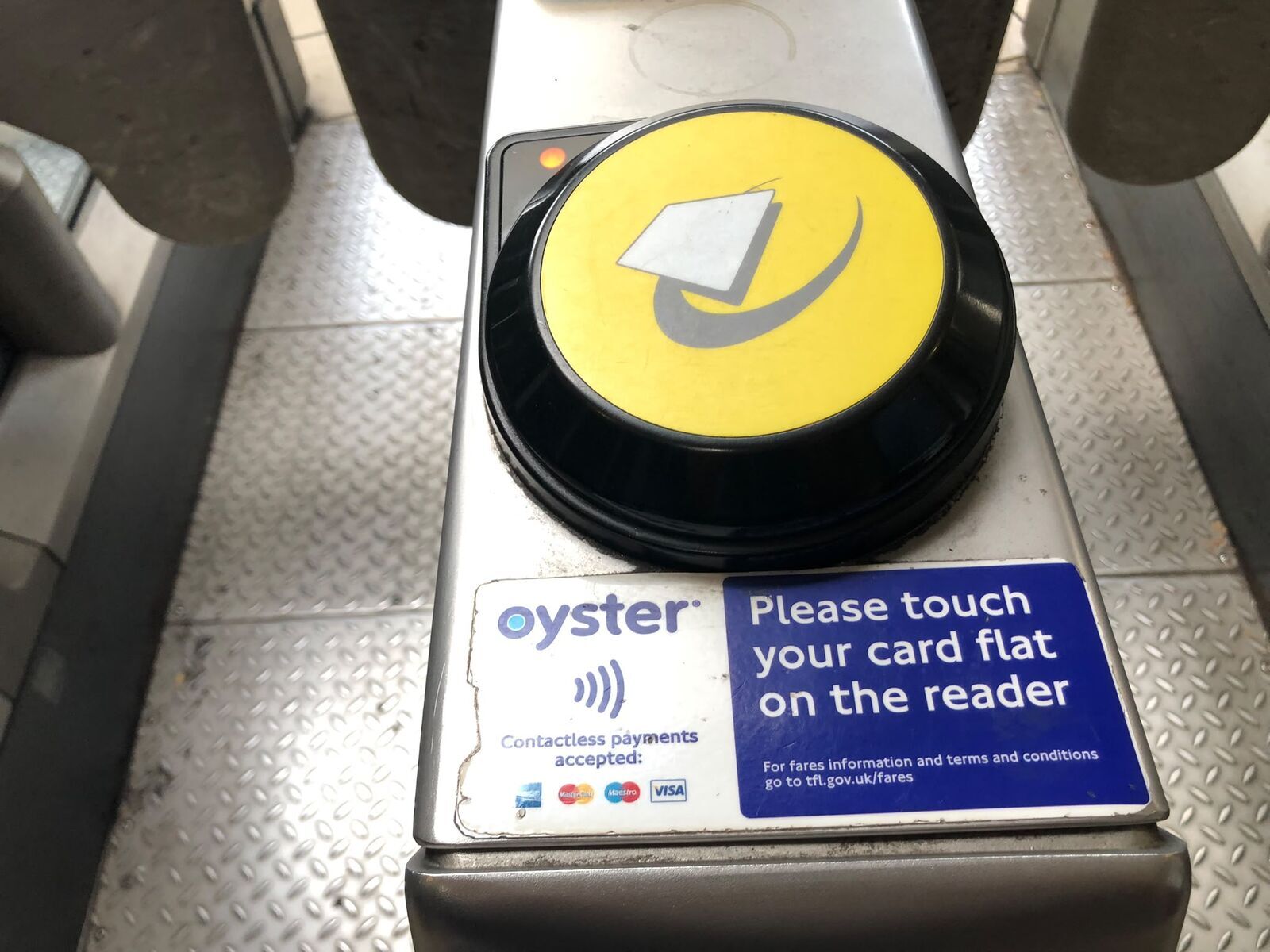
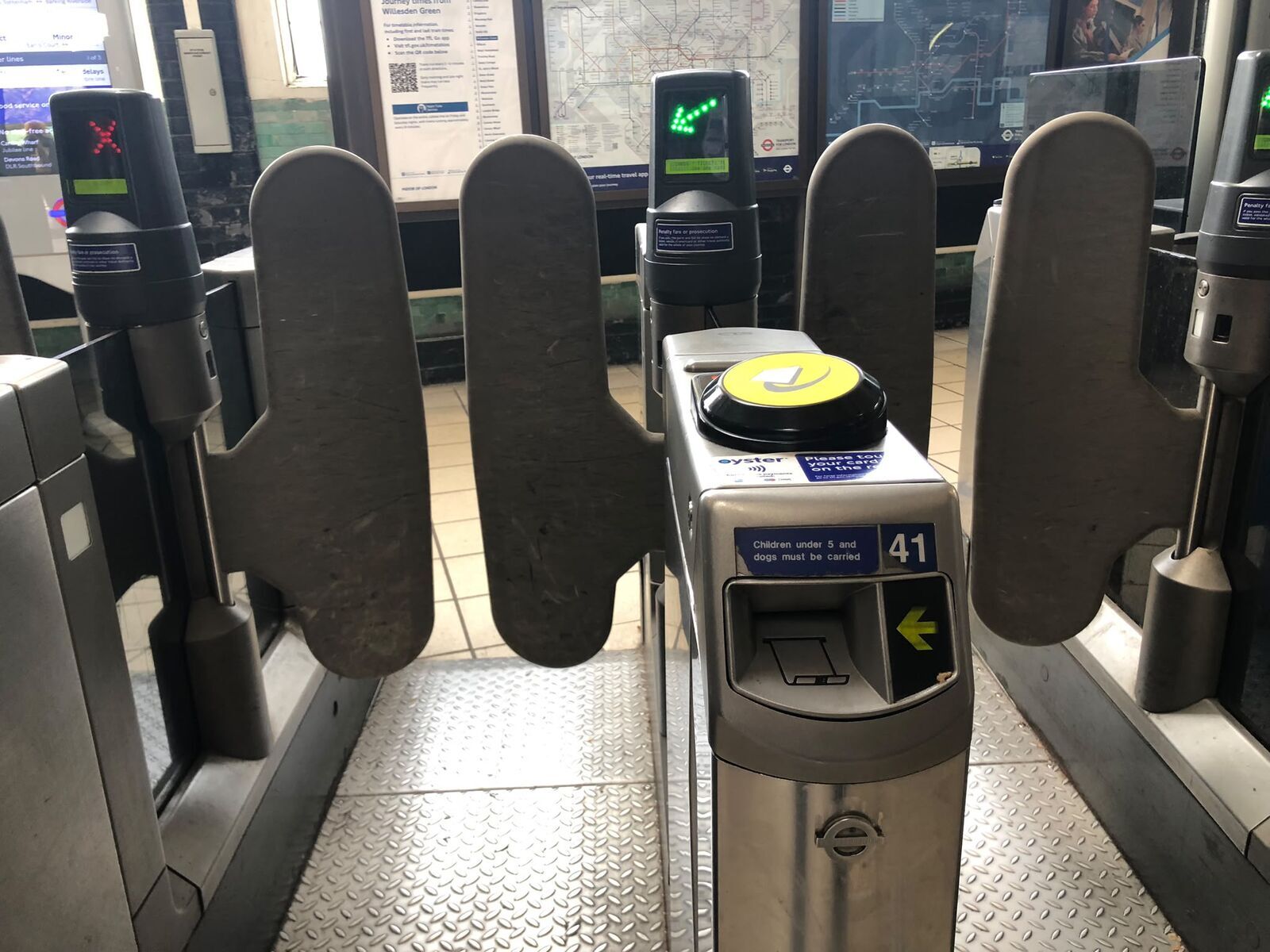
- Tube, DLR, Overground, Elizabeth line and trains: touch your card flat on the yellow reader at the gates when you go in, and again when you come out. The fare depends on the zones you travel through and the time of day.
- Buses and trams: touch in once when you get on, never when you get off. Buses do not take cash.
- Hopper fare: on buses and trams you can change as many times as you like within one hour of your first touch, for the price of one fare.
Peak and off-peak
Tube and rail fares are higher at peak times: Monday to Friday, 06:30–09:30 and 16:00–19:00 (not on public holidays). At all other times, and all weekend, you pay the off-peak fare. Bus fares are the same all day.
Daily and weekly caps
This is the part that makes pay as you go such good value. Once your journeys in a day add up to the daily cap for the zones you used, every other journey that day is free. There is also a weekly cap from Monday to Sunday, so if you travel a lot, a full week costs the same as a 7 Day Travelcard. Caps work the same on Oyster and contactless, as long as you always use the same card or device.
How Much It Costs in 2026
| Adult pay as you go | Peak | Off-peak |
|---|---|---|
| Tube, Zone 1 only | £3.10 | £3.00 |
| Tube, Zones 1–2 | £3.60 | £3.10 |
| Tube, Zones 1–3 | £3.90 | £3.30 |
| Tube, Zones 1–6 | £5.90 | £4.00 |
| Bus or tram (any journey) | £1.85 | |
| Caps | Daily | Weekly (Mon–Sun) |
|---|---|---|
| Zones 1–2 | £8.90 | £44.70 |
| Zones 1–3 | £10.50 | £52.50 |
| Zones 1–4 | £12.80 | £64.20 |
| Zones 1–6 | £16.30 | £81.60 |
| Bus and tram only | £5.55 | – |
Tube and rail fares valid from 1 March 2026; bus and tram fares from 1 November 2026. TfL usually changes fares every March, so check the latest prices on the TfL fares page if you travel after that.
Travelcards: Do You Still Need One?
A Travelcard gives you unlimited travel in the zones it covers, on buses, trams, the Tube, DLR, Overground, Elizabeth line and National Rail. There are several types:
- Day Travelcard (paper ticket): Anytime, Zones 1–6, £23.60; Off-Peak, Zones 1–6, £16.60, valid from 09:30 on weekdays and all day at weekends.
- 7 Day, Monthly and Annual Travelcards: a 7 Day Travelcard gives you seven days for the price of five; a Monthly is about 11% cheaper than four weekly ones, and an Annual gives you 12 months for the price of about 10½.
- Group Day Travelcard: for groups of 10 or more travelling together, £11.00 per adult and £5.50 per child for Zones 1–6.
For most visitors, pay as you go is the better deal: the daily cap for Zones 1–6 (£16.30) is lower than an Anytime Day Travelcard (£23.60), and the weekly cap works like a 7 Day Travelcard without paying upfront. A paper Travelcard still makes sense if you want a 1/3 discount on some river boat services, if you are in a big group, or if you live in London and want a Monthly or Annual ticket.
Buying and Topping Up an Oyster Card
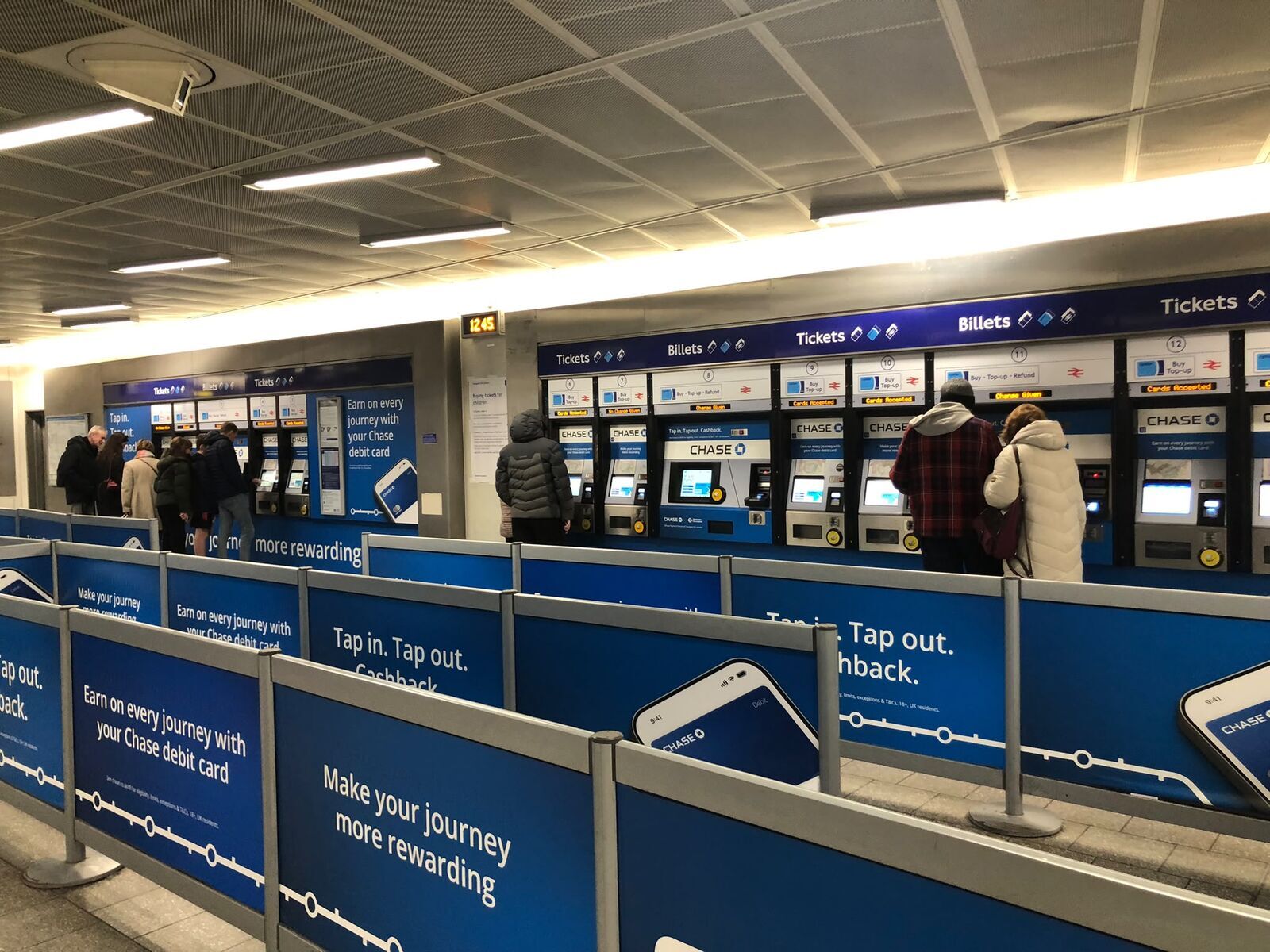
You can buy an Oyster card and add credit at the ticket machines in every Tube station, at many newsagents (look for the Oyster sign), or online with the TfL Oyster and contactless app. The machines take cards and, in most stations, cash.
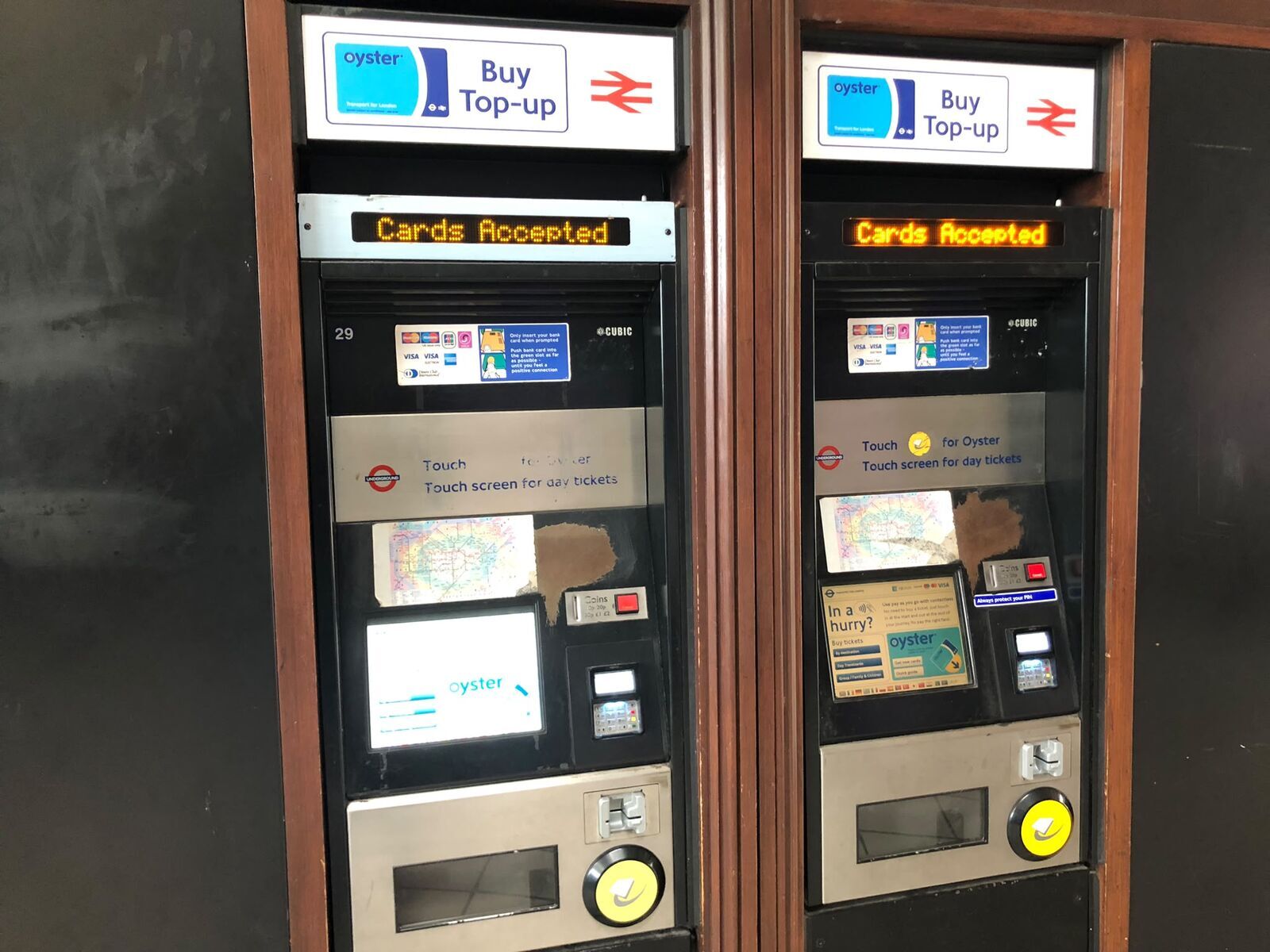
Visitor Oyster card: if you want your card before you leave, TfL sells a Visitor Oyster card online, delivered to your home. It has the same £10.50 card fee and comes preloaded with credit. You cannot add a Railcard or a Travelcard to it.
Mistakes to Avoid
- Forgetting to tap out. On the Tube and trains, if you do not touch out you are charged a maximum fare, much higher than a normal journey.
- Card clash. If you touch your whole wallet, the reader may charge a different card from the one you meant. Take out the card you want to use.
- Switching card or device. Tap in and out with the same card or phone, all day. If you use your phone in the morning and your card in the afternoon, the caps do not add up together.
- One card for two people. Each person needs their own Oyster or contactless card.
- A flat phone battery. If your phone dies during the journey, you cannot tap out. Keep a physical card as a backup.
Visiting from Abroad: Watch the Bank Fees
Contactless works with most Visa, Mastercard and American Express cards from abroad, and with Apple Pay and Google Pay. Before you travel, check what your bank charges for payments in pounds: some charge a percentage on every payment, others a fixed fee. TfL usually adds up all your journeys in a day and charges your card once, which helps, but a card with no foreign fees, such as Revolut or Wise, is the cheapest way to pay. If your card is expensive to use, an Oyster topped up with cash is a simple alternative.
Children and Airports
Children
- Under 11: free on buses and trams, and free on the Tube, DLR, Overground and Elizabeth line with a paying adult (up to four children per adult).
- 11 to 15: half-price fares. Visitors can add a Young Visitor discount to an Oyster card at a Tube station, with the child present.
Airports
- Heathrow: Oyster and contactless work on the Piccadilly line and the Elizabeth line. See our Heathrow to central London guide.
- Gatwick: Oyster and contactless work on trains to London.
- Stansted and Luton: you normally need a train ticket. See our guide to Gatwick, Stansted and Luton.
Before you set off, check the Tube status and plan your route with our Journey Planner.
Frequently Asked Questions
Is Oyster cheaper than contactless?
No. Fares and caps are the same. Oyster only works out cheaper if your bank charges fees on payments in pounds, or if you add a Railcard discount to it.
Can I get my Oyster card money back?
The £10.50 card fee is not refundable. Unused credit can usually be refunded: check the conditions on the TfL website.
Can I use the same card for two people?
No. Each person needs their own Oyster card, contactless card or phone.
Do I need to tap out on buses?
No. On buses and trams you only touch in when you get on.
Can I pay cash on the bus?
No. London buses do not take cash: you need an Oyster, a contactless card or a phone.
About this article: Written by Tonio Viva, London Residence, who has paid for London transport with an Oyster card since arriving in 2016. Photos taken in London Tube stations. Fares checked in November 2026 against TfL and the Mayor of London's fare decisions; they usually change every March.