London has always been an extraordinary and fascinating city — immersing yourself in it always gives the impression of discovering something new, something far from ordinary, always ready to surprise you.
There are no set rules for organising the "perfect trip" to London: you could spend years here and still not see everything. But for those who love efficiency, or simply don't have much time to spare, a 3-day full immersion is more than enough to take home the very best this city has to offer. A long weekend is ideal — but let's look at what you can realistically visit in 3 days, while also keeping an eye on the budget. Speaking of accommodation, check out the "Where to Stay" section on each of our borough pages to find places to stay close to the areas you'll be visiting.
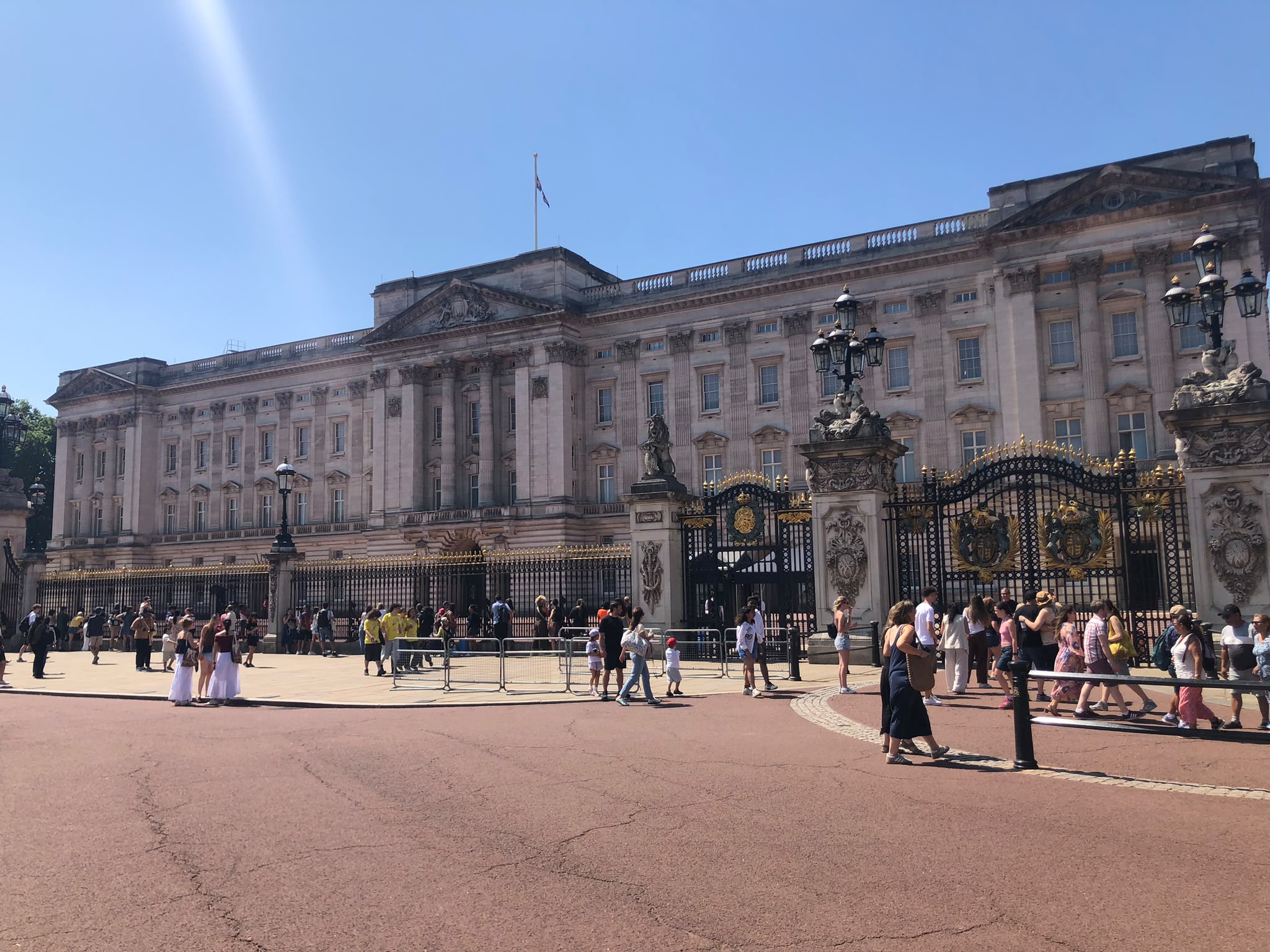
Day 1 — The Heart of London: Royal London and the City
The first day is dedicated to the beating heart of the city.
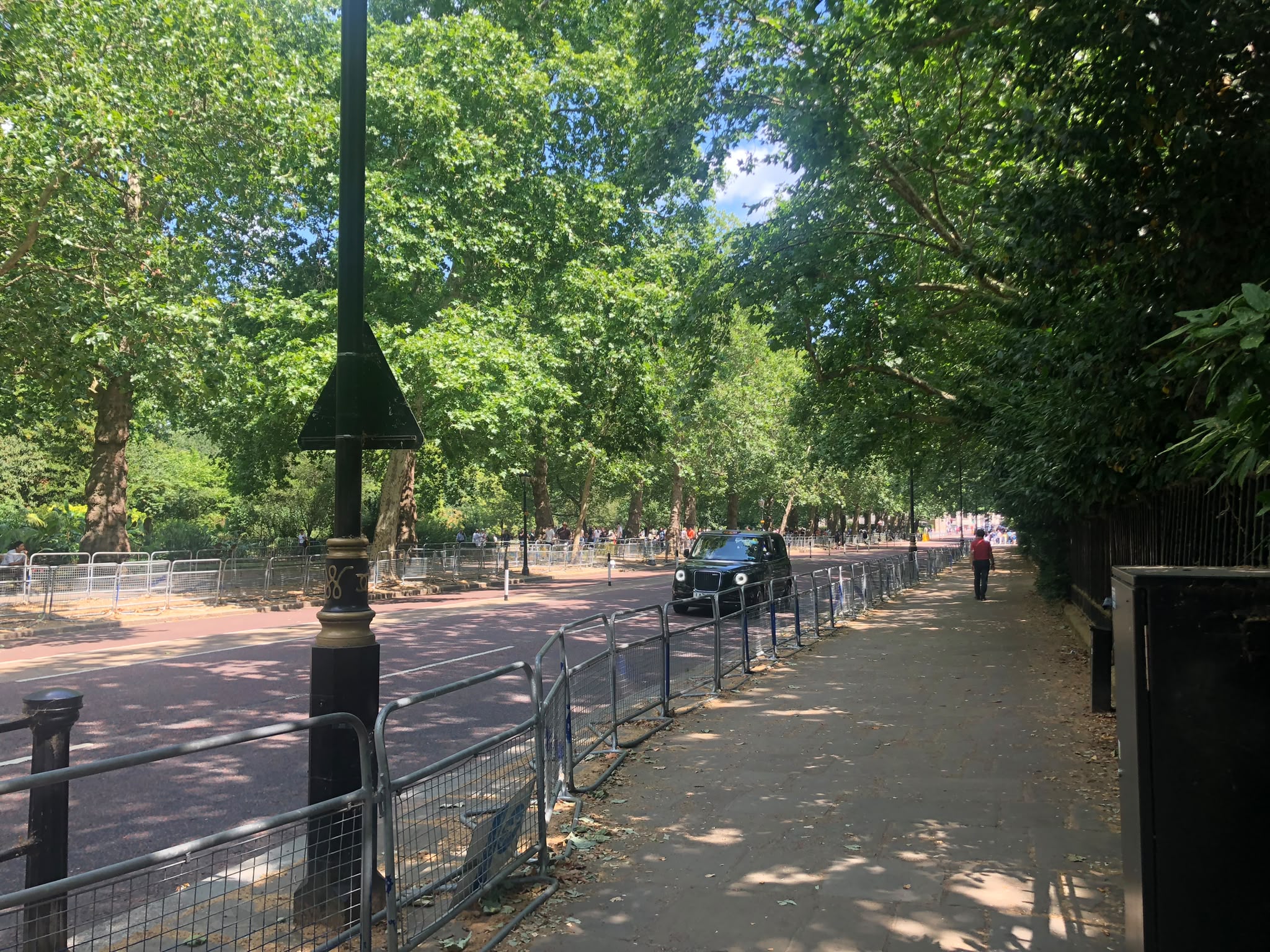
Start at Buckingham Palace, the official residence of the British Royal Family, then stroll along The Mall to St James's Park — one of London's most beautiful Royal Parks, perfect for a relaxing break with views over the lake and the pelicans that have called the park home for centuries.
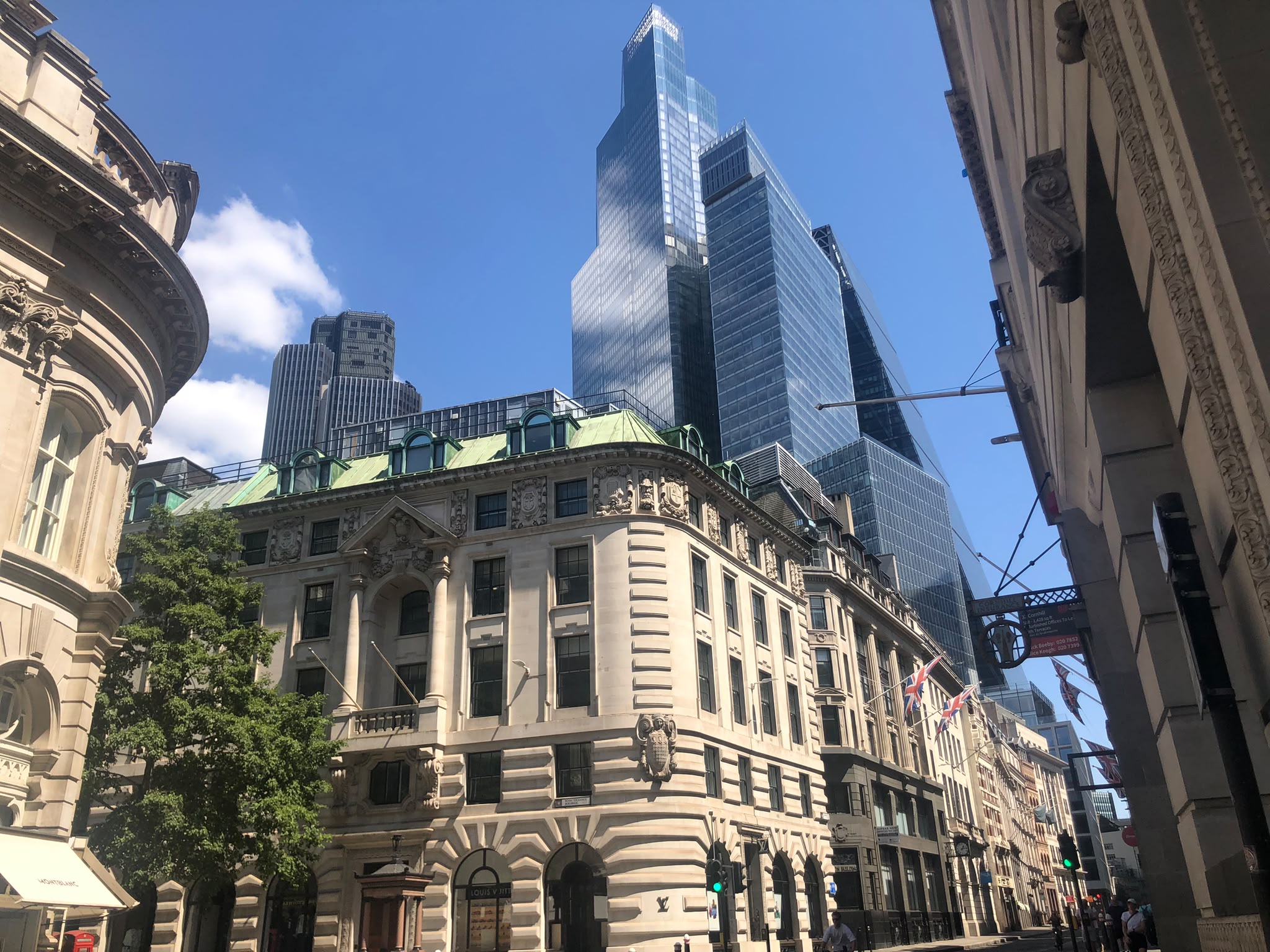
From there, head to the City of London, the financial heart of the capital, where historic buildings and futuristic skyscrapers coexist in a unique architectural dialogue found nowhere else in the world.
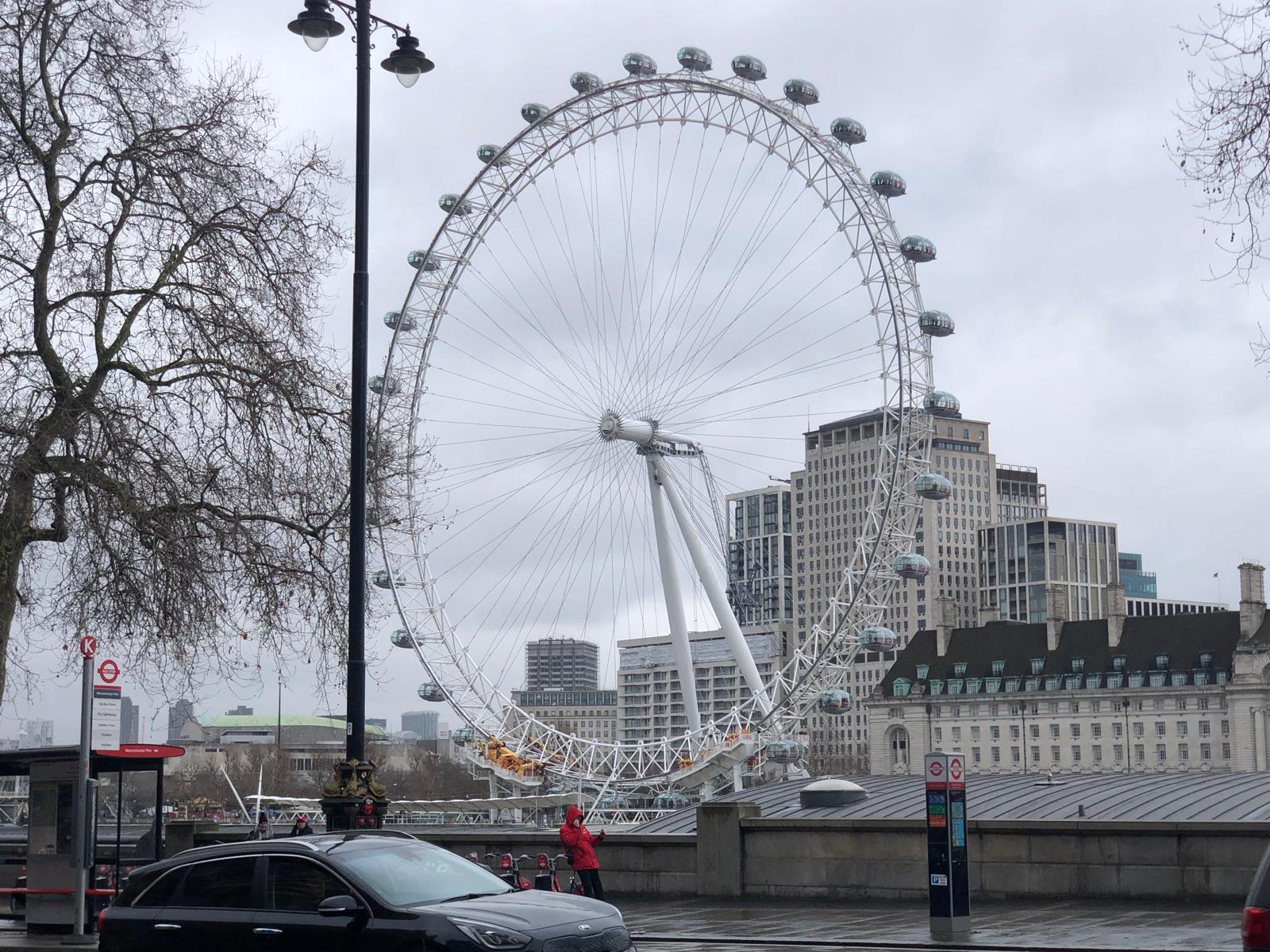
The afternoon belongs to the South Bank — the southern bank of the Thames — with the London Eye, the Tate Modern and the Southbank Centre. End the day with the unmissable Big Ben, which together with the Houses of Parliament and Westminster Bridge delivers one of the most iconic views London has to offer.
Affiliate link — if you book through it, London Residence earns a small commission at no extra cost to you.
All these stops are just a few Tube minutes apart. The main lines are the Jubilee, District and Central. Bear in mind you'll be travelling in Zone 1 — transport costs are slightly higher than outer zones. Use our Journey Planner to plan your routes in real time.
Day 2 — Creative London: Markets, Street Art and Dark History
The second day belongs to creative and underground London. Start in Camden Town — an iconic neighbourhood, home to one of the world's most famous markets, with live music, street food and an eclectic energy unlike anywhere else.

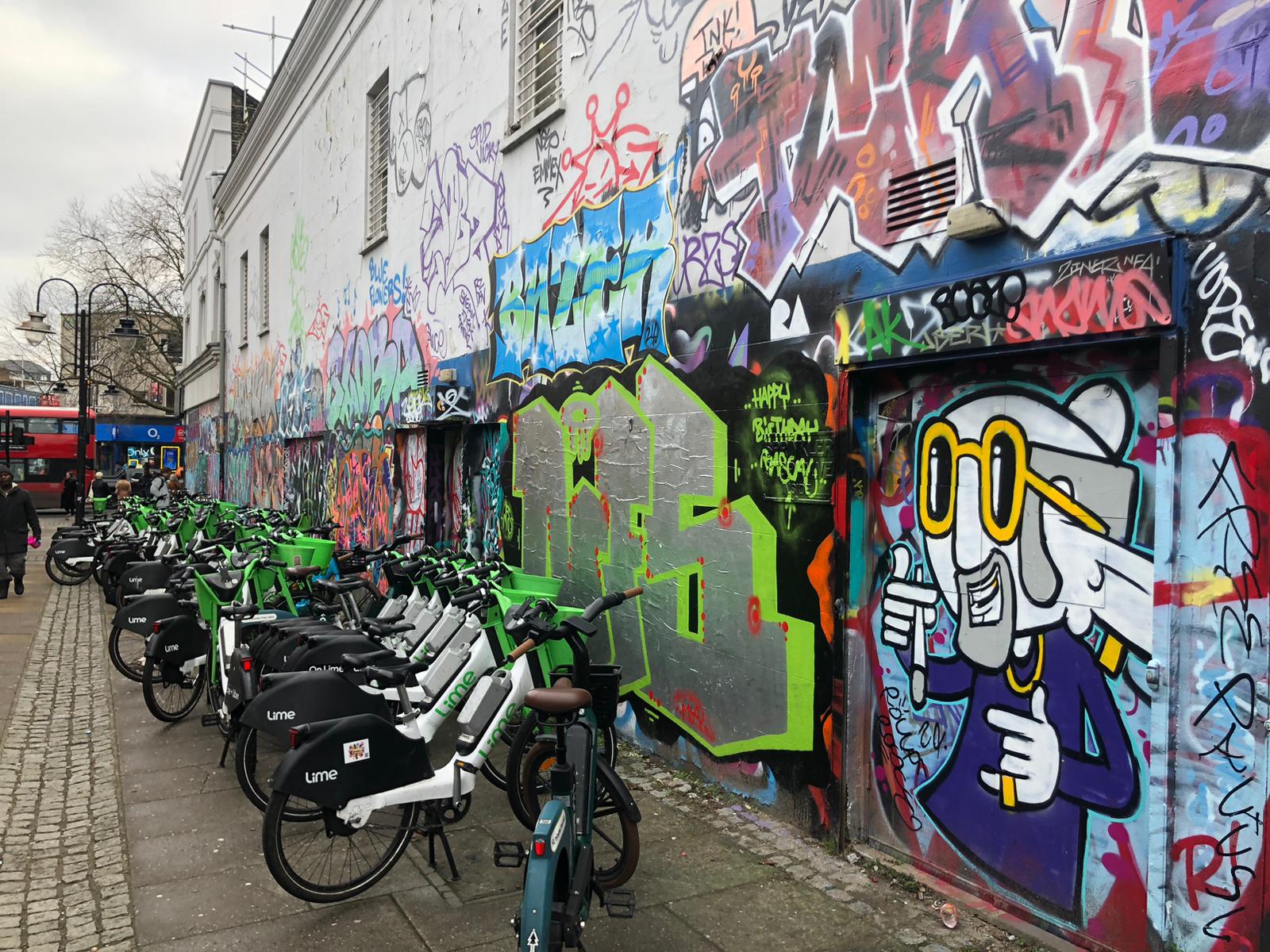
From Camden, head east to Whitechapel, in the heart of the East End — a neighbourhood with a dual soul: on one side a vibrant art scene with colourful murals covering entire buildings, and on the other, the narrow alleyways that were once the hunting ground of the infamous Jack the Ripper in the autumn of 1888.
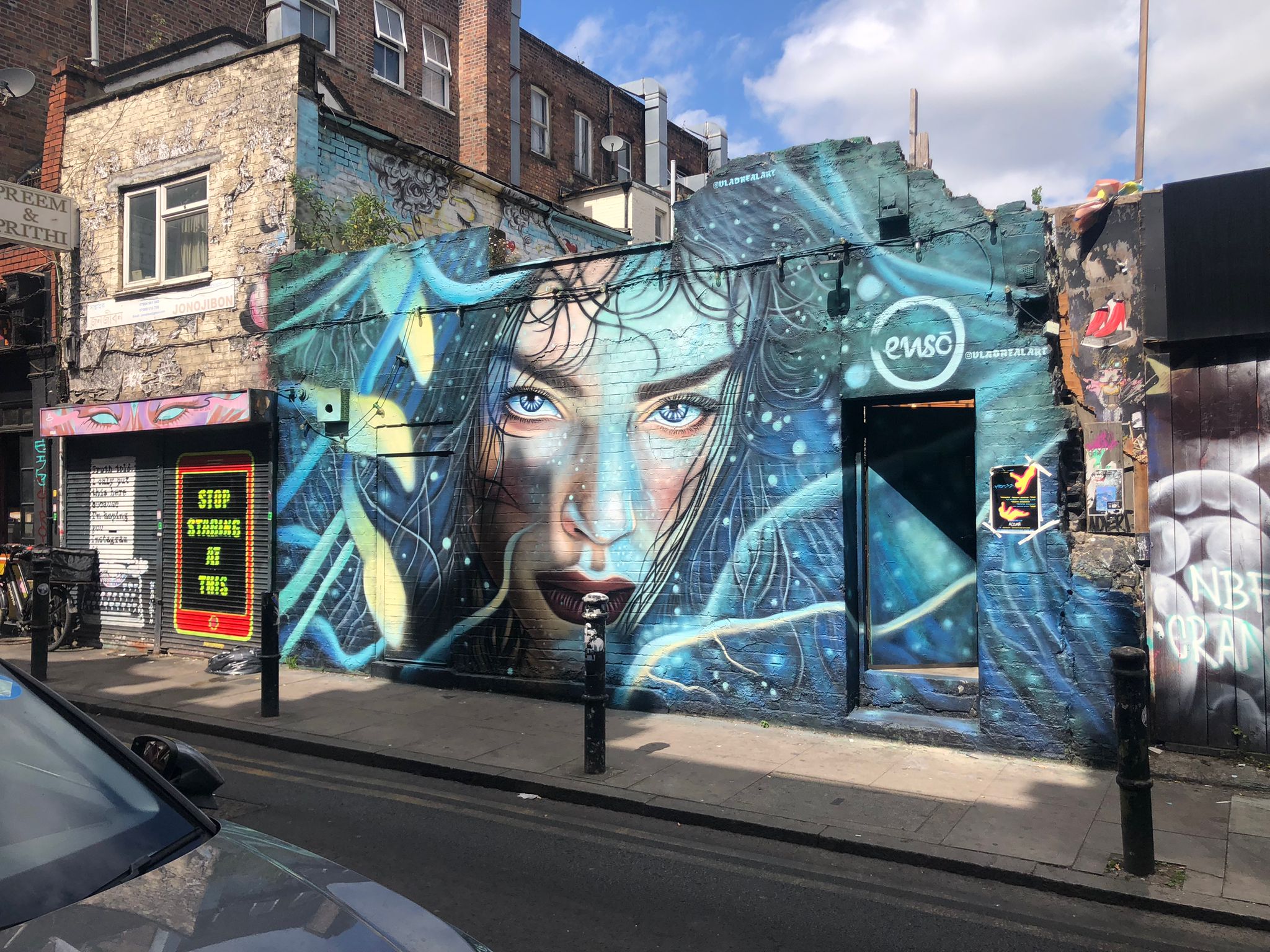
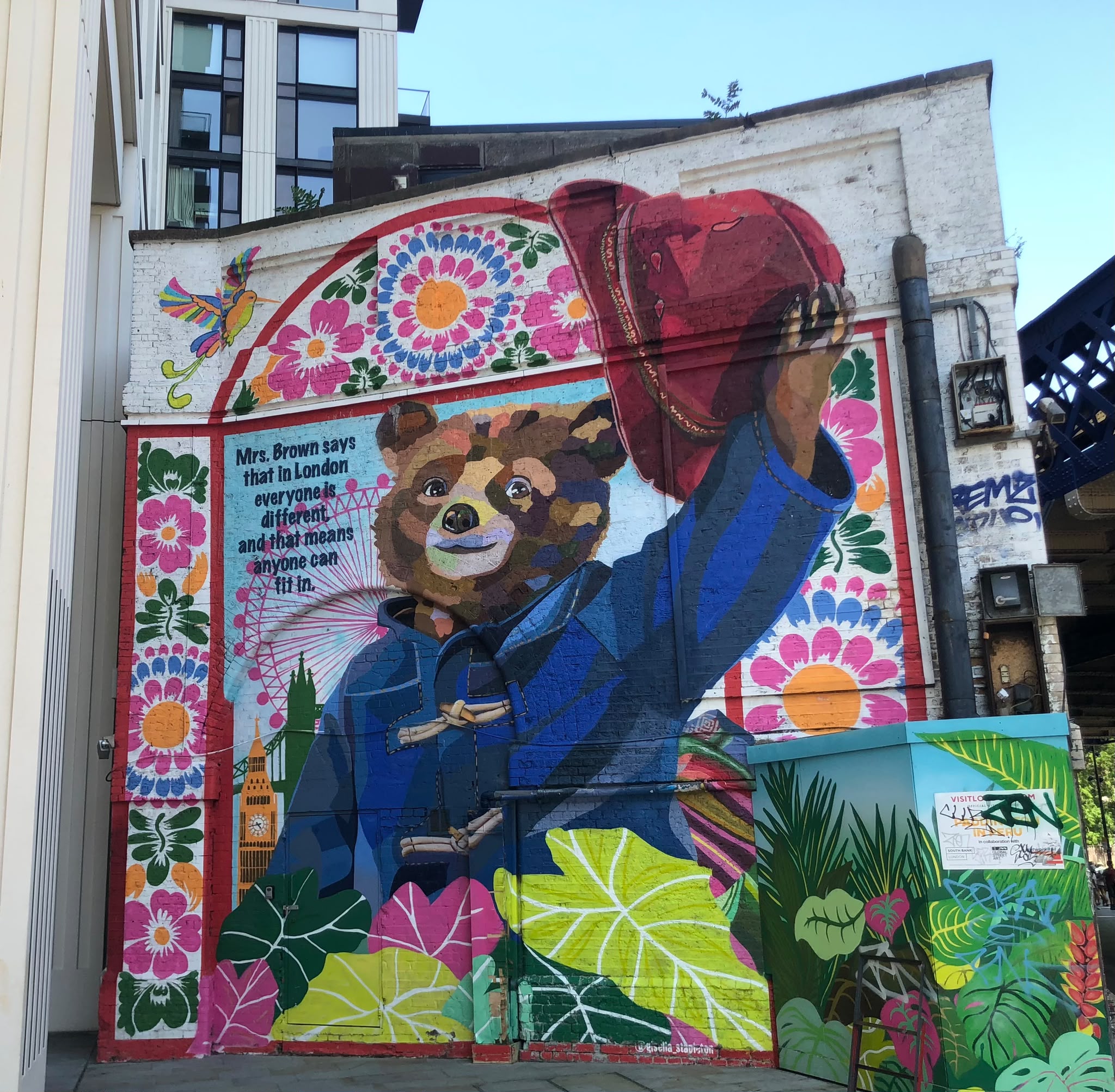
The afternoon ends in Lambeth, where Dorel Place has become one of London's most photographed locations for its extraordinary murals — an open-air museum that has captured the imagination of social media users worldwide.
Day 3 — Maritime London: Tower Bridge and Greenwich
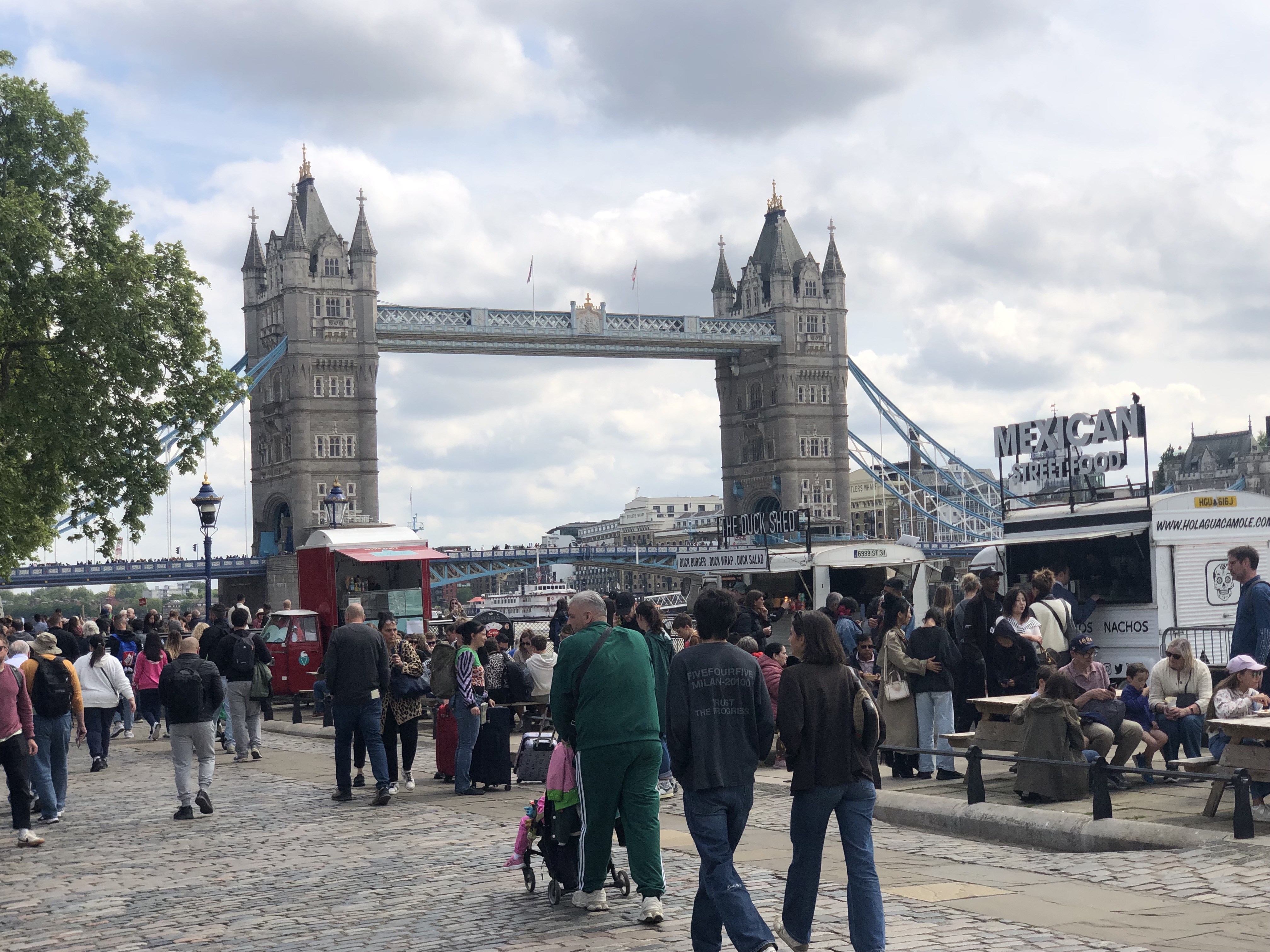
The last day — perhaps the most bittersweet, because it means the trip is nearly over, but no less surprising for it — is dedicated to London on the Thames. Start at Tower Bridge, the city's most iconic bridge, built in 1894 and still one of London's most recognisable symbols worldwide.
Affiliate link — if you book through it, London Residence earns a small commission at no extra cost to you.
From there, make your way to Greenwich, a UNESCO World Heritage Site, home to the Cutty Sark — the legendary British clipper ship built in 1869 — the National Maritime Museum, the largest maritime museum in the world, and the Royal Observatory, where the Prime Meridian (0° longitude) divides the world into East and West. And if you still have energy left, Greenwich Market with its 300+ years of history is just a short walk away.

Accommodation — How Much Should You Budget?
The range is wide and the choice depends entirely on your needs. For three nights in London, accommodation costs vary on average between £130 and £520 total per room:
- Hostel or private room: around £40-70 per night
- Budget hotel in a central location: £90-130 per night
- Luxury hotel: upwards of £180-220 per night
Getting Around — The Oyster Card and Contactless
Getting an Oyster Card should be the first thing you do when you arrive — top it up as needed and you can travel on the Tube, bus and Overground at discounted rates. Alternatively, any contactless debit or credit card works perfectly at Tube barriers and on the iconic red buses — London is one of the most advanced cities in the world for digital payments.
Think of this as a first-time traveller's introduction, and a travel tip from someone who has lived in London for quite some time. You can't see everything in 3 days — but with this itinerary, you'll take home the very best of it. Safe travels and Enjoy London! 🇬🇧
By Tonio Viva — London Residence