A journey through Victorian London on the trail of history's most famous unsolved killer.
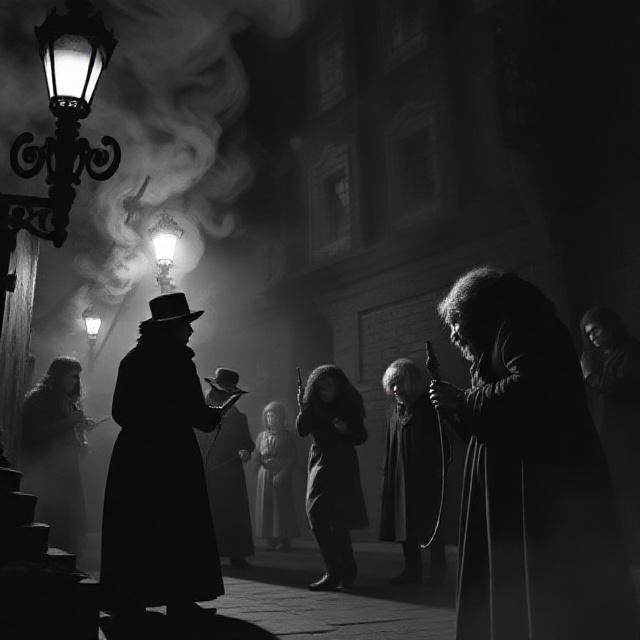
The stench of urine at every corner, large rats scavenging for food, and that persistent fog — less a natural phenomenon than the thick smog of coal smoke that hung over the city. This is London at the end of the nineteenth century, and the neighbourhoods that concern us here — Whitechapel and Spitalfields — were nothing like the vibrant, modern areas they are today. Narrow alleyways, poor lighting, overcrowded streets and crumbling houses — and above all, dirt and stench. It was no coincidence that London had already been speaking of the "Great Stink" a few decades earlier.
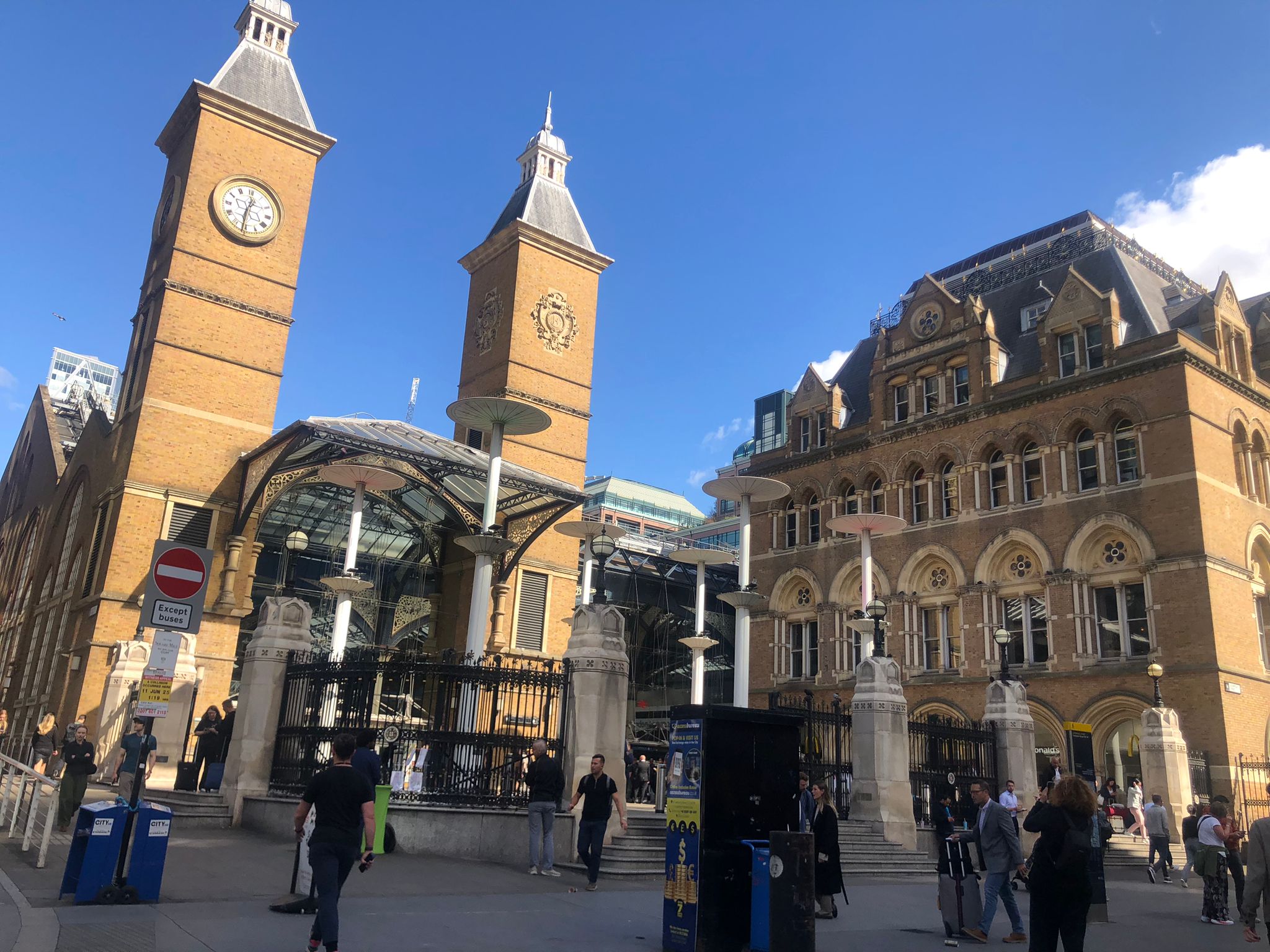
Poverty was everywhere. Whitechapel was one of the poorest and most overcrowded neighbourhoods in all of London — a labyrinth of dark alleyways inhabited by immigrants, exploited workers, prostitutes and desperate people of every kind. It was in this context of degradation and social invisibility that an unnamed killer began to strike in the autumn of 1888, spreading panic throughout the city.
Who Was Jack the Ripper?
Between August and November 1888, five women were brutally murdered in the alleyways of Whitechapel. The victims — Mary Ann Nichols, Annie Chapman, Elizabeth Stride, Catherine Eddowes and Mary Jane Kelly — were all vulnerable women living on the margins of Victorian society. The killer struck with almost surgical precision, leading many investigators of the time to suspect he was a doctor or someone with advanced anatomical knowledge.
The name "Jack the Ripper" came from a letter — probably a hoax — sent to the police and newspapers, signed with this mocking name. From that moment, the case became a national and international obsession. His true identity was never discovered — and even today, more than 130 years later, it remains one of the greatest unsolved mysteries in criminal history.
- Mary Ann Nichols — 31 August 1888, Buck's Row
- Annie Chapman — 8 September 1888, Hanbury Street
- Elizabeth Stride — 30 September 1888, Berner Street
- Catherine Eddowes — 30 September 1888, Mitre Square
- Mary Jane Kelly — 9 November 1888, Miller's Court
Theories have never been in short supply: some believed he was a distinguished man of science, others a rogue surgeon, and there were even those who suspected he was not an entirely minor member of the British Royal Family. No theory has ever been definitively proven.
Mitre Square — Where the Silence Weighs Heavy
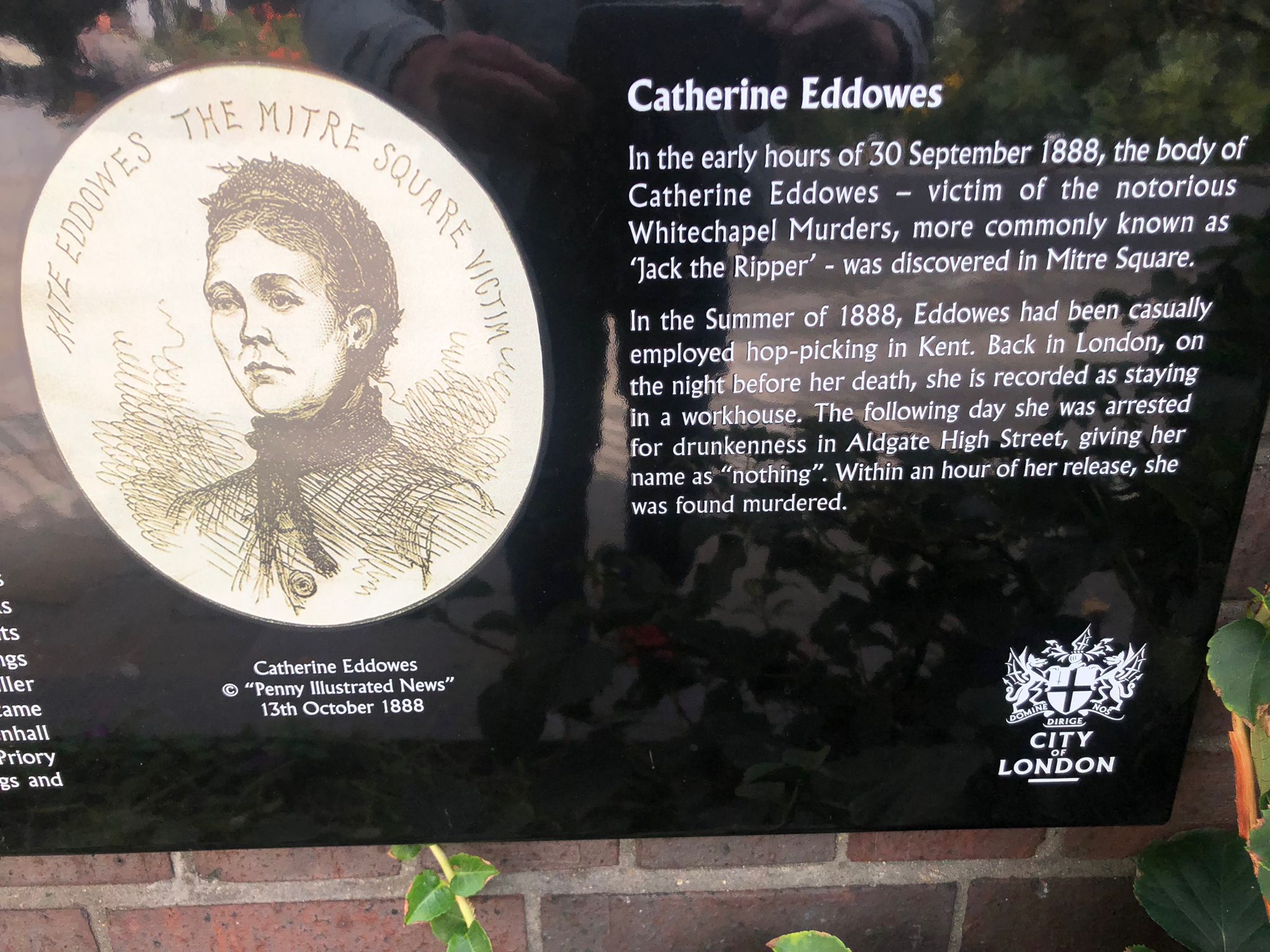
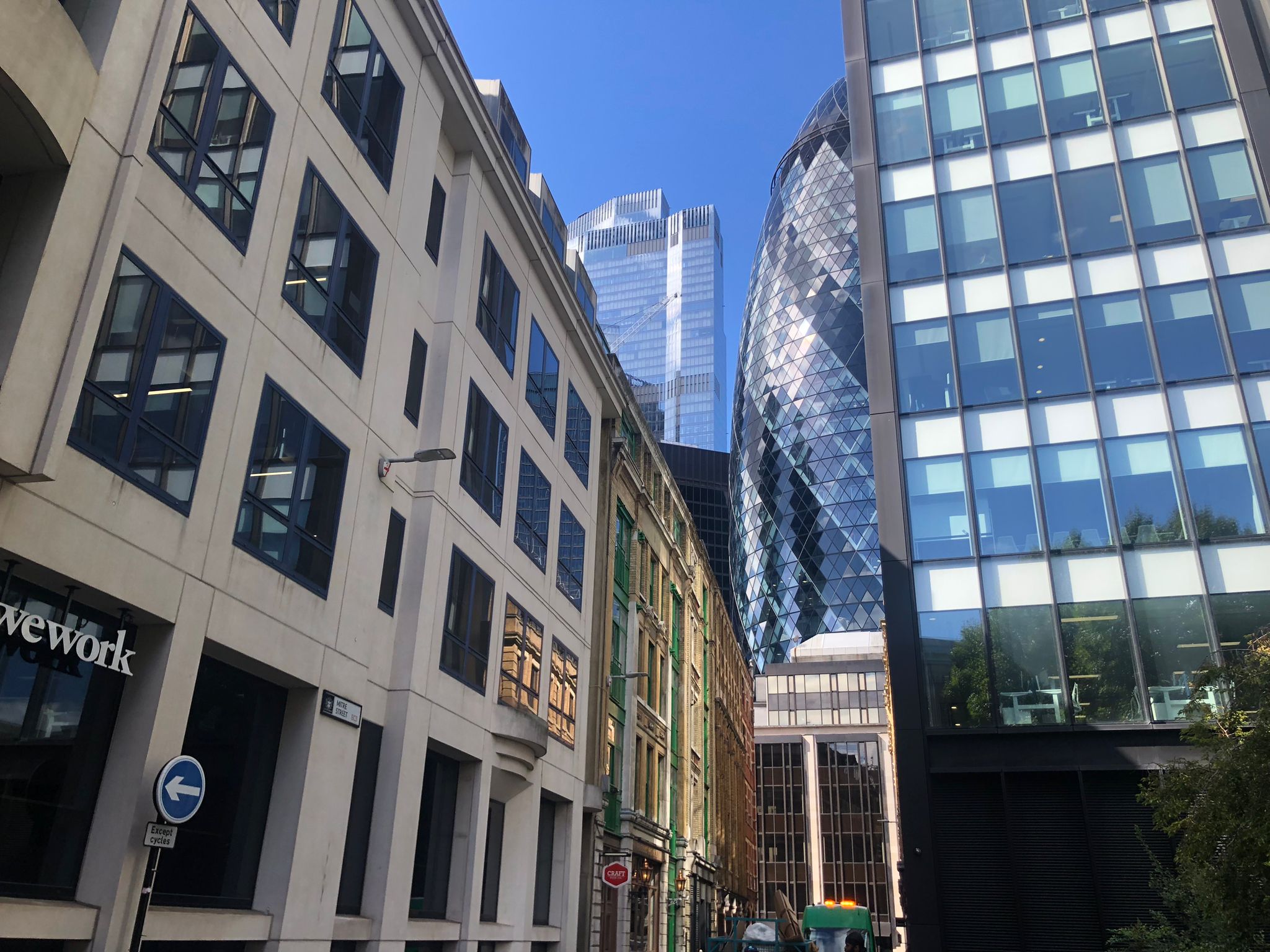
The contrast with the present day is extraordinary. When I visited Mitre Square, I felt a deep sense of calm — a quiet corner surrounded by skyscrapers, cleanliness and order. We are in Aldgate, within the boundaries of the City of London, the beating heart of global finance.
And yet it was here, in the early hours of 30 September 1888, that Catherine Eddowes was murdered in this very square by a man whose identity would never be discovered. The world would remember him by a name destined to become legend: Jack the Ripper.
Walking through these streets with a camera, it is impossible not to try to imagine what Victorian London looked like. For a moment, the skyscrapers seem to disappear.
Whitechapel and Hanbury Street — The Dark Heart
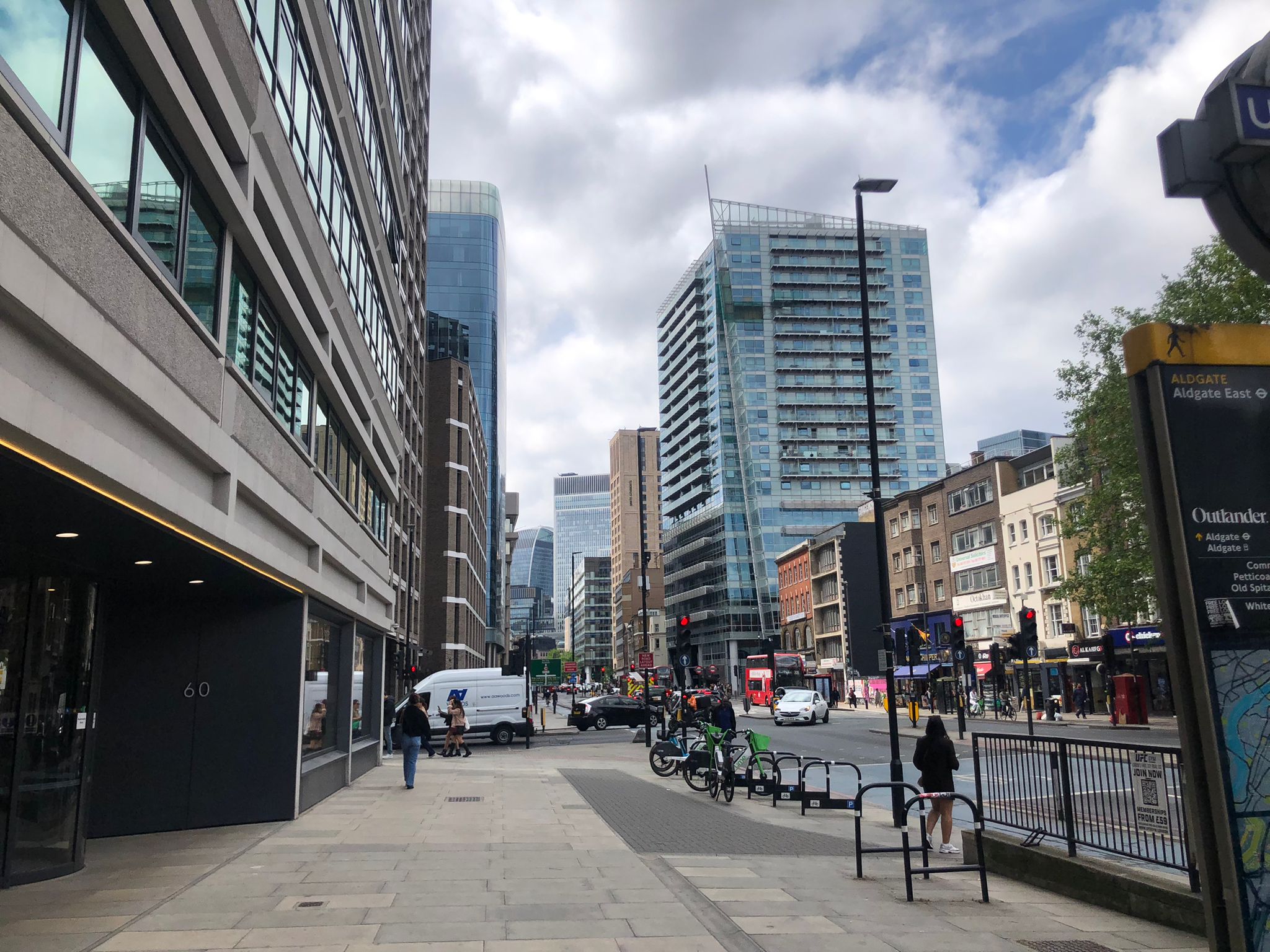
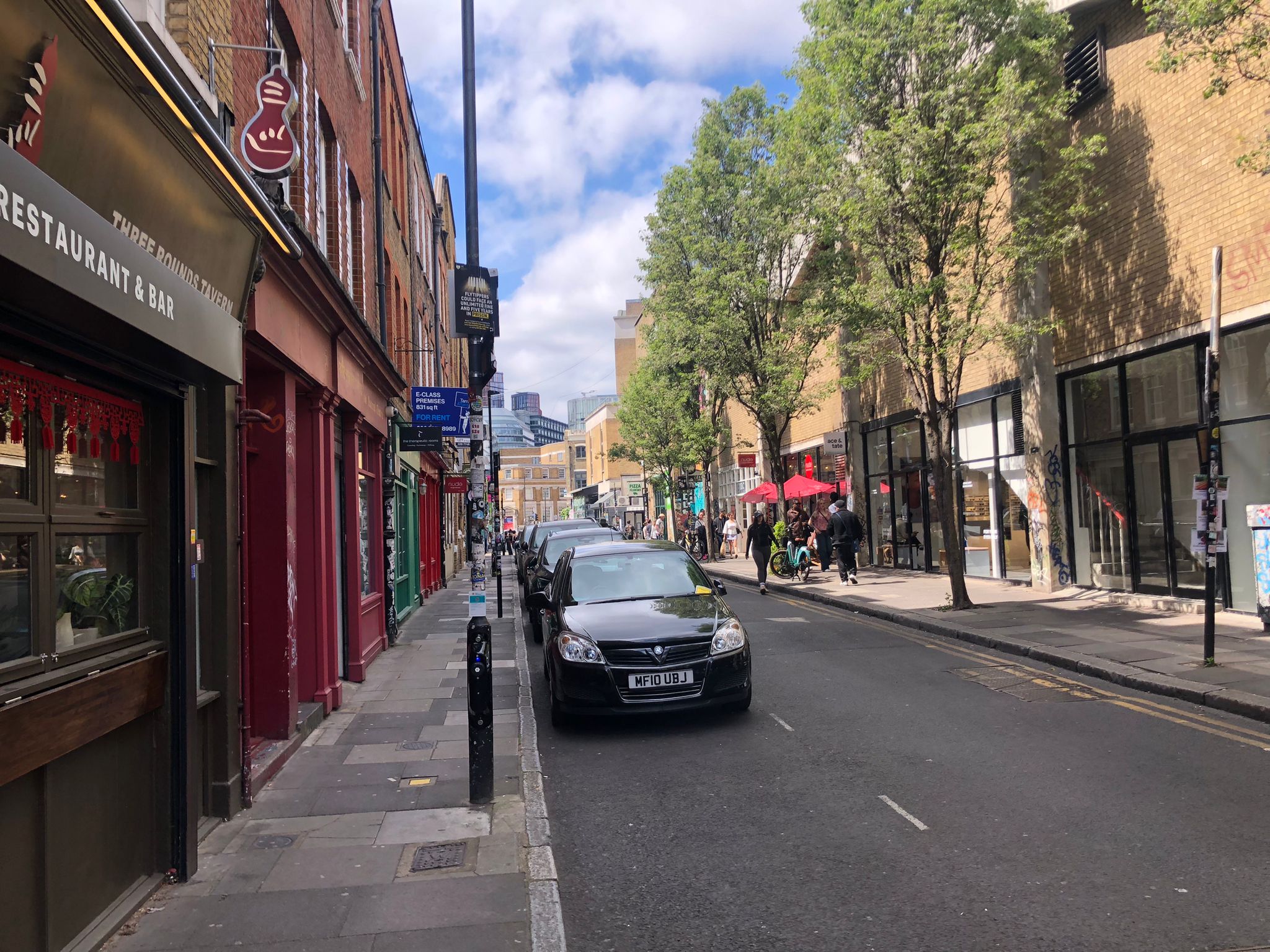
From Mitre Square, we move to Whitechapel — and here the same feeling returns. Today it is a trendy neighbourhood, attracting millions of visitors every year from around the world, with street art and live music at every turn. But in the autumn of 1888, this was a place of prostitution, poverty and people surviving by any means necessary.
It was here that Annie Chapman, the second victim, was found — her body discovered in the rear courtyard of 29 Hanbury Street on 8 September 1888. Today, number 29 is a modern building — the original house was demolished long ago — but the street still exists and remains one of the classic stops on every Jack the Ripper tour.
The Ten Bells — The Victims' Pub
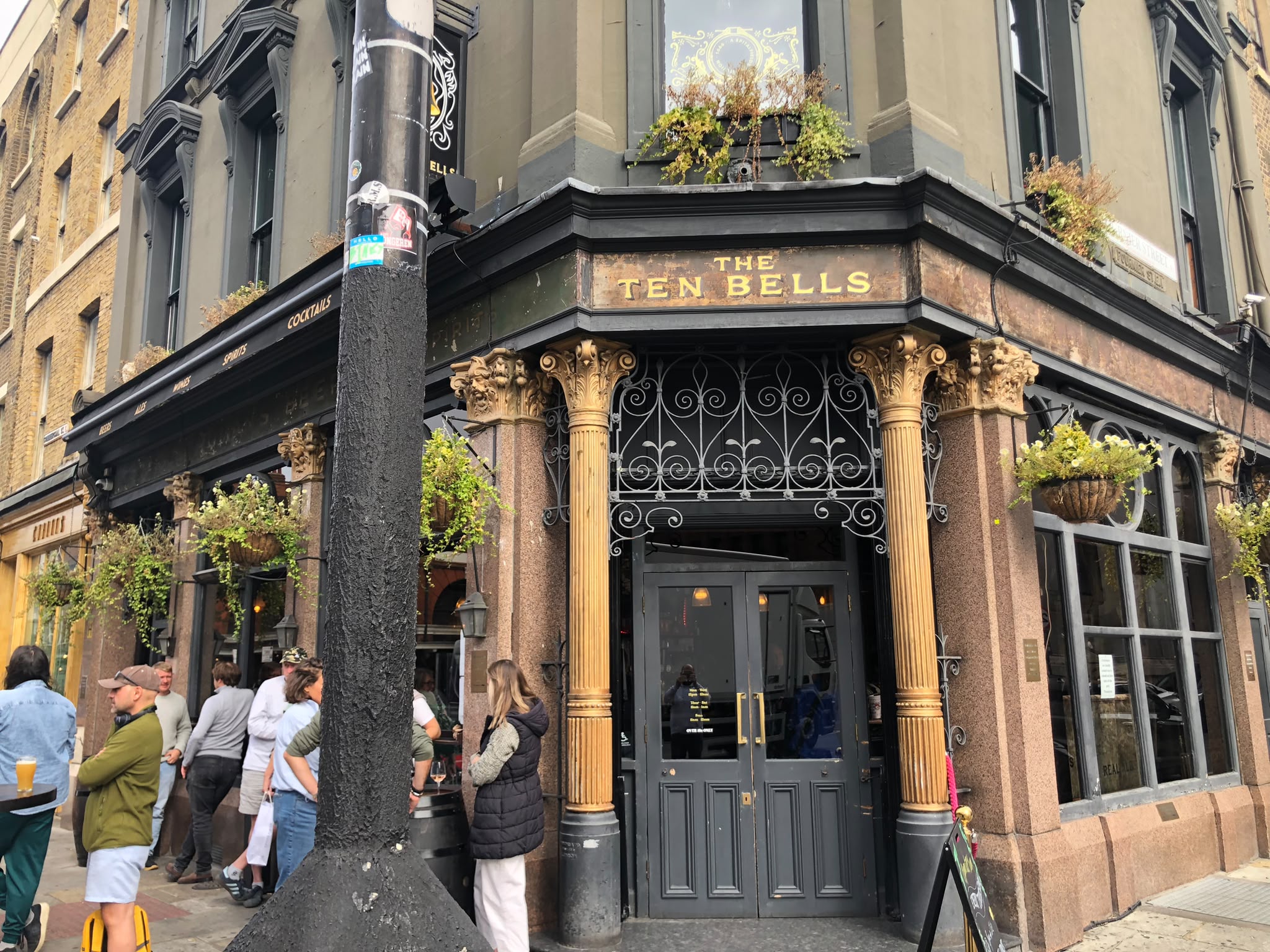
Just a short walk from Hanbury Street, on the corner of Commercial Street and Fournier Street in Spitalfields, stands The Ten Bells — the most famous pub connected to the Jack the Ripper story, still open and welcoming visitors today. Annie Chapman was reportedly seen drinking here in the early hours of 8 September 1888, just hours before she was murdered. Mary Jane Kelly, the Ripper's final victim, is also believed to have been a regular.
From 1976, the pub was renamed "The Jack the Ripper" to capitalise on its dark fame, but reverted to its original name in 1988 following public protests. Today it is a beautifully preserved Victorian pub — well worth a visit for its original 19th-century ceramic tiles alone.
An Unanswered Mystery
A veil of mystery has covered the true identity of this killer ever since — a man who struck with surgical precision in the darkness of Victorian alleyways. Who Jack the Ripper really was remains one of the most fascinating and unanswered questions in history — and perhaps it is precisely this eternal mystery that makes his story so immortal.
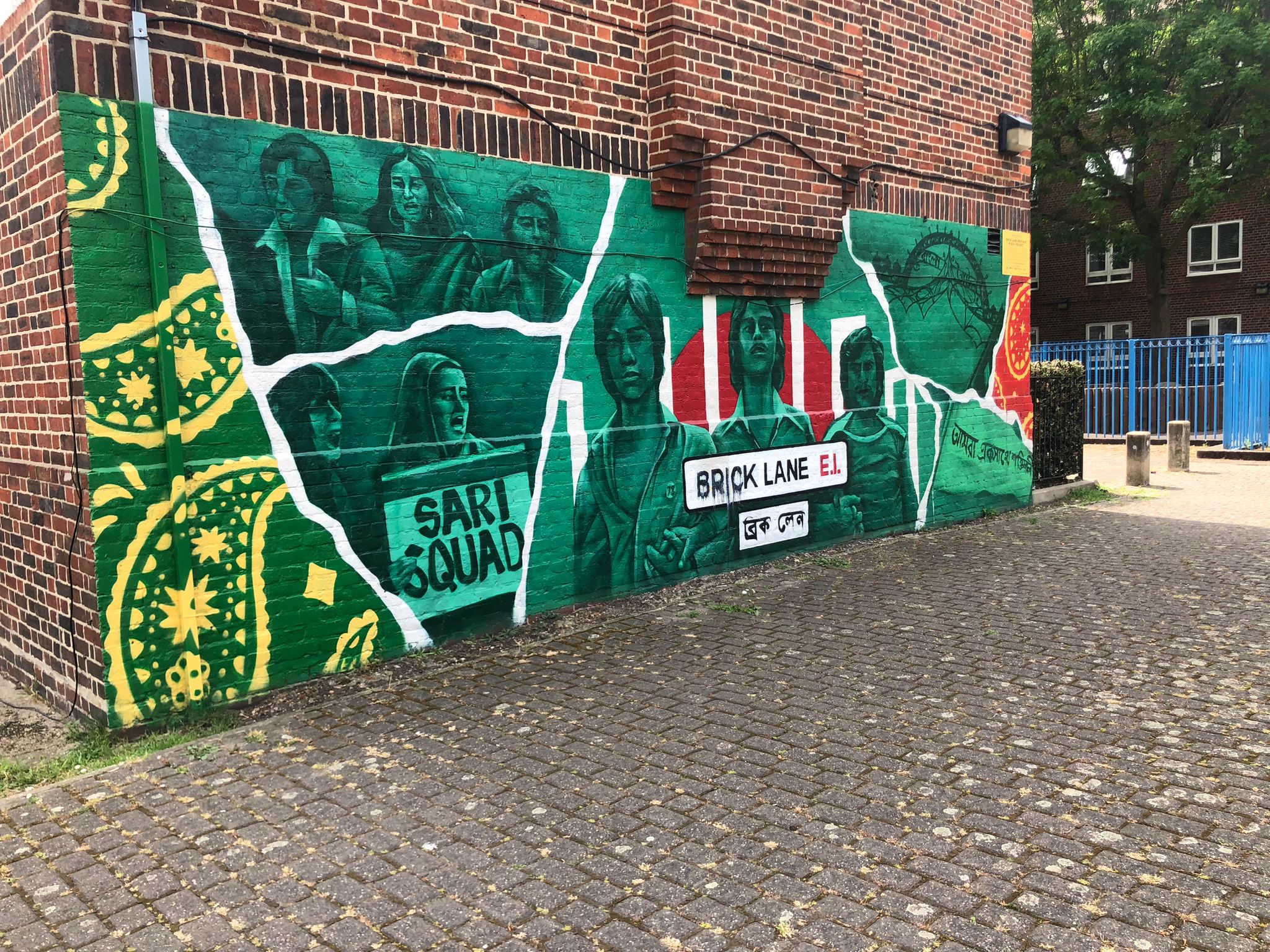
Walking through the streets of Whitechapel today, with colourful street art on the walls and trendy cafés on every corner, is a disorienting and powerful experience. The London of Jack the Ripper has vanished — but his shadow still lingers over these alleyways.
Affiliate link — if you book through it, London Residence earns a small commission at no extra cost to you.
- Tower Hamlets Borough Guide — Whitechapel and Spitalfields
- City of London Borough Guide — Mitre Square and Aldgate
- 3 Days in London: A Complete Itinerary
- Plan Your Journey to Whitechapel
Walking through Whitechapel today is a powerful reminder of how dramatically a city can transform — and how some stories refuse to be forgotten, no matter how much time passes.
By Tonio Viva — London Residence